I’d Have Told My Dad

Updated: 2 days ago
I started writing this on the 29th of September 2026, the anniversary of the day my dad died. I think about him a lot anyway, but around this time of year I find myself remembering things I haven’t thought about for ages.
I’ve written about losing him before. Today, I’ve been thinking about what he was like when he was here, and how a man who spent years grounding me eventually became the person who kept me grounded. See what I did there.
My dad had two rules when we were growing up: don’t smoke and don’t bring trouble to the door. I broke both, although the trouble only reached the door because my mate got caught by the police and grassed me up. I’d managed to get away across a railway track, which I thought should have counted for something. It didn’t.
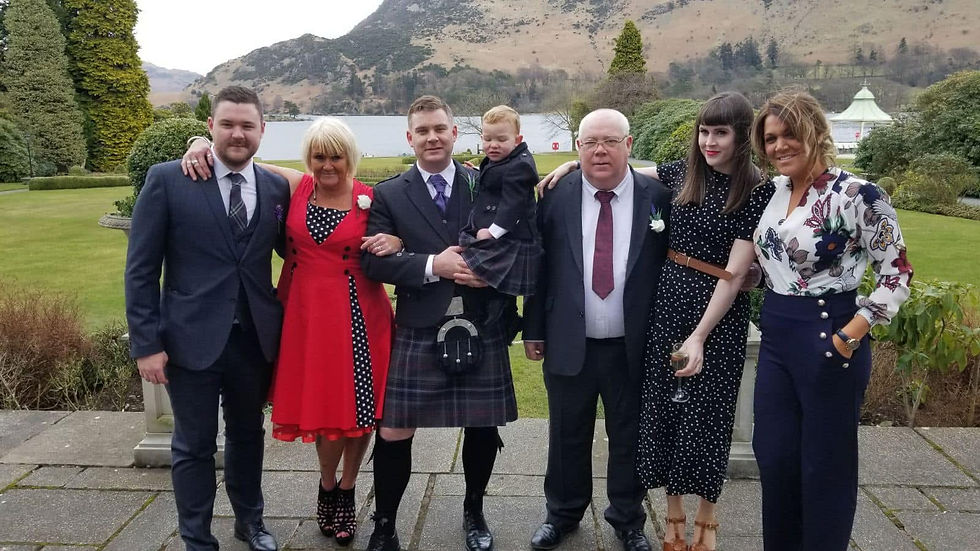
I still remember the police knocking and me panicking, only for the officer to ask whether my dad was the Tony Murphy who’d played for Northwich. He used to watch him and seemed genuinely starstruck. For a brief moment, things were looking up.
Eventually, they returned to the matter of me crossing a railway line. I got a caution, my mum went off her head about what the neighbours would think, and I was grounded. Even having a fan in the police hadn’t helped.
Dad thought I was easily led. For a while, he was probably right. I wanted to fit in, which involved the odd ciggy round the shops, drinking with my mates and occasionally getting into a Friday-night scrap. I didn’t think I was particularly badly behaved. Written down, I can see his point.
Having a son of my own has helped me understand some of that strictness. At the time, I mostly thought he was stopping me doing things. Now I can see what he was worried about.
He was an intelligent bloke. My nan used to tell us how hard she’d fought to get him into Liverpool Collegiate, only for him not to sit his final exams because he had trials with Liverpool Schoolboys. I don’t think she ever quite got over that.
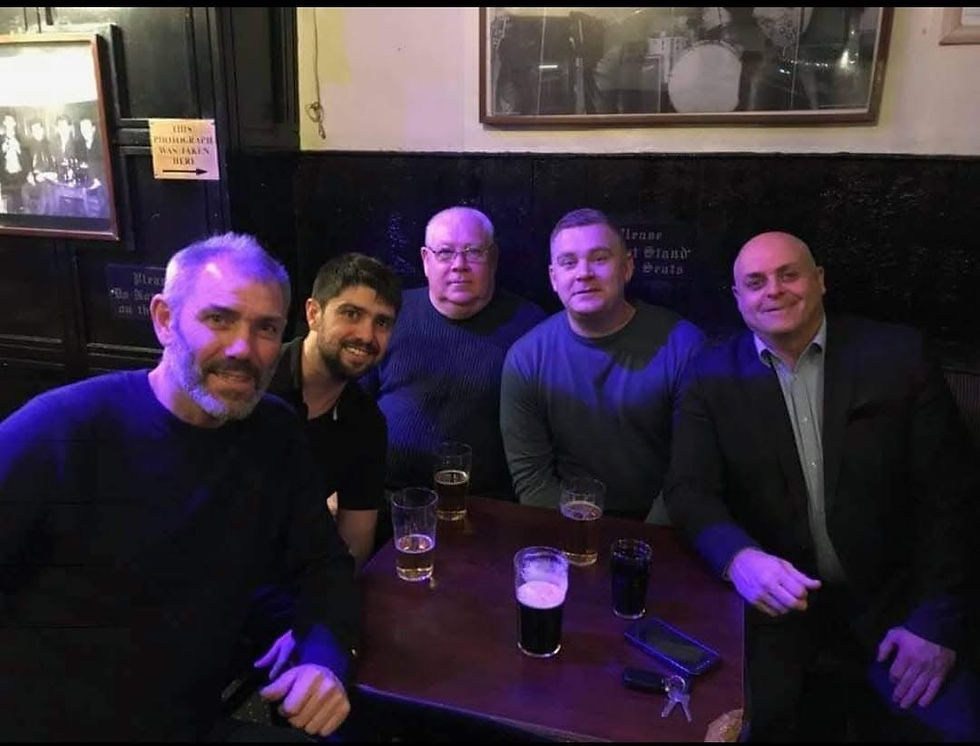
Football took him a fair way, though. He played non-league and went to Wembley twice in the FA Trophy, winning once and losing once. I went to one of those games when I was about two and ended up in the newspaper with him.
As a kid, I didn’t appreciate what playing at that level involved alongside a job. An away game at Gateshead on a Tuesday night, then up at six for work. I hated that when I was playing. Back then, Dad just played football. Now I wonder how he managed it.
He also seemed to have about twenty different careers. Ford, a young offenders’ home, a school for children with special educational needs, recruitment, taxis. Eventually he ended up in health and safety, which I would never have predicted. Then again, I wouldn’t have predicted going into it myself, especially given my early approach to railway crossings.
When I was sixteen, he was working for two fellas who lived behind us that ran a fencing company. They needed labour, so he got me a job. Twenty-five quid a day, cash in hand. Compared with the twenty pence a night I used to get off my mum, I thought I’d made it.
Fuck me, it was hard, though. Carrying concrete posts all day and trying to hammer nails in when you couldn’t feel your hands. Once, Dad called me a lazy bastard while he was sitting on a mound of sand. When he stood up, I pointed at the mark he’d left and said, “It’s not my fat arse imprinted in the sand, is it?”
That shut him up. I think it was the one and only time I ever managed it.
We were properly skint around then, so earning mattered. But working with him also meant I was getting to know him differently. Around the same time, my mates and I went for trials with a football team. They all knew my dad and convinced him to become the manager.
Without that appointment, I’m not entirely sure I’d have made the squad. Within the first year, though, I’d made my debut in goal for the first team. I was sixteen, playing my first semi-professional game, while Dad managed the reserves.
We worked together during the day, then there was training or a match every Tuesday, Thursday and Saturday. I was seeing rather a lot of someone whose main role, until fairly recently, had been grounding me.
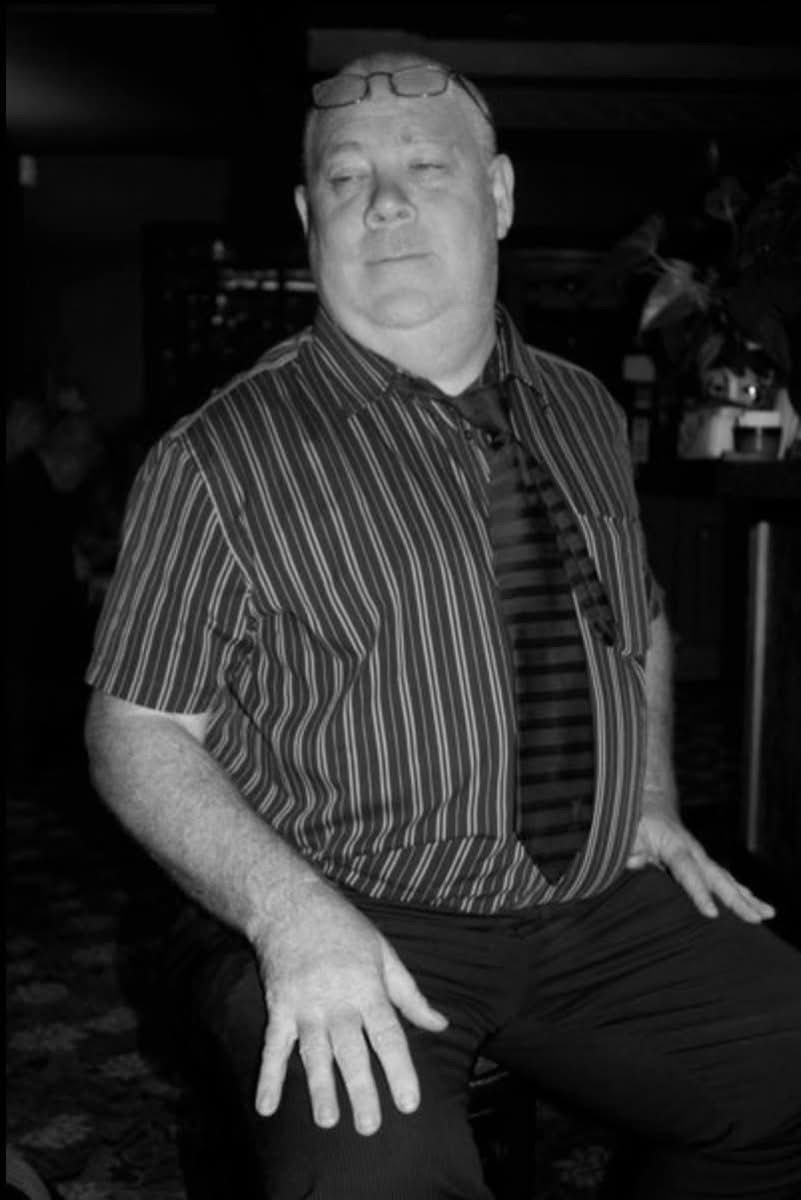
My mates loved him. They listened to him and respected him, and he could send us out against teams far better than us and make us believe we had a chance. I began to understand why people wanted him around.
That took some adjusting to. This was, after all, the same man who’d once turned up at my school dressed as a Teenage Mutant Ninja Turtle.
We’d spotted this dickhead walking into the car park and all run over, laughing and taking the piss. Then someone pulled the costume head off, and there was my dad. Suddenly, everyone was looking at me.
I find that hilarious now. Andrew, who’d just hit puberty, was fucking mortified.
But through work and football, I was starting to see beyond my occasionally funny, mostly embarrassing dad. I was getting to know the bloke everyone else knew, and I liked him too.
A few weeks into the season, he wrote a match report in his little book. One line said, “Our Andrew looked like a keeper.”
I was buzzing. He’d been hard on me in those first few games, and his opinion mattered. All these years later, I still remember that sentence.
I started going to him for advice, although I still approached certain conversations expecting a bollocking. There was an interview at a fish market that I’ve never forgotten. Three hundred quid a week sounded brilliant until I got there. It stank, people were gutting fish all around me, and I knew I couldn’t spend every working day doing it.
They offered me the job, and I went home shitting myself. We needed money, I needed work, and I was about to explain that I’d found some but didn’t want it. I told him I’d been offered the job, then admitted I didn’t want to go back.
He just said, “You went for the interview. You don’t want to do it. That’s fine.”
The relief was unreal. I’d been so worried about disappointing him that I hadn’t considered he might understand.
I think that explains something about how we ended up speaking every day. I became less worried about what he’d say and more interested in what he thought. I started telling him things because it helped.
None of this made him any less ridiculous. He was still affectionately known as the fat egg and would get his guitar out at a party whether anyone wanted the guitar or not.
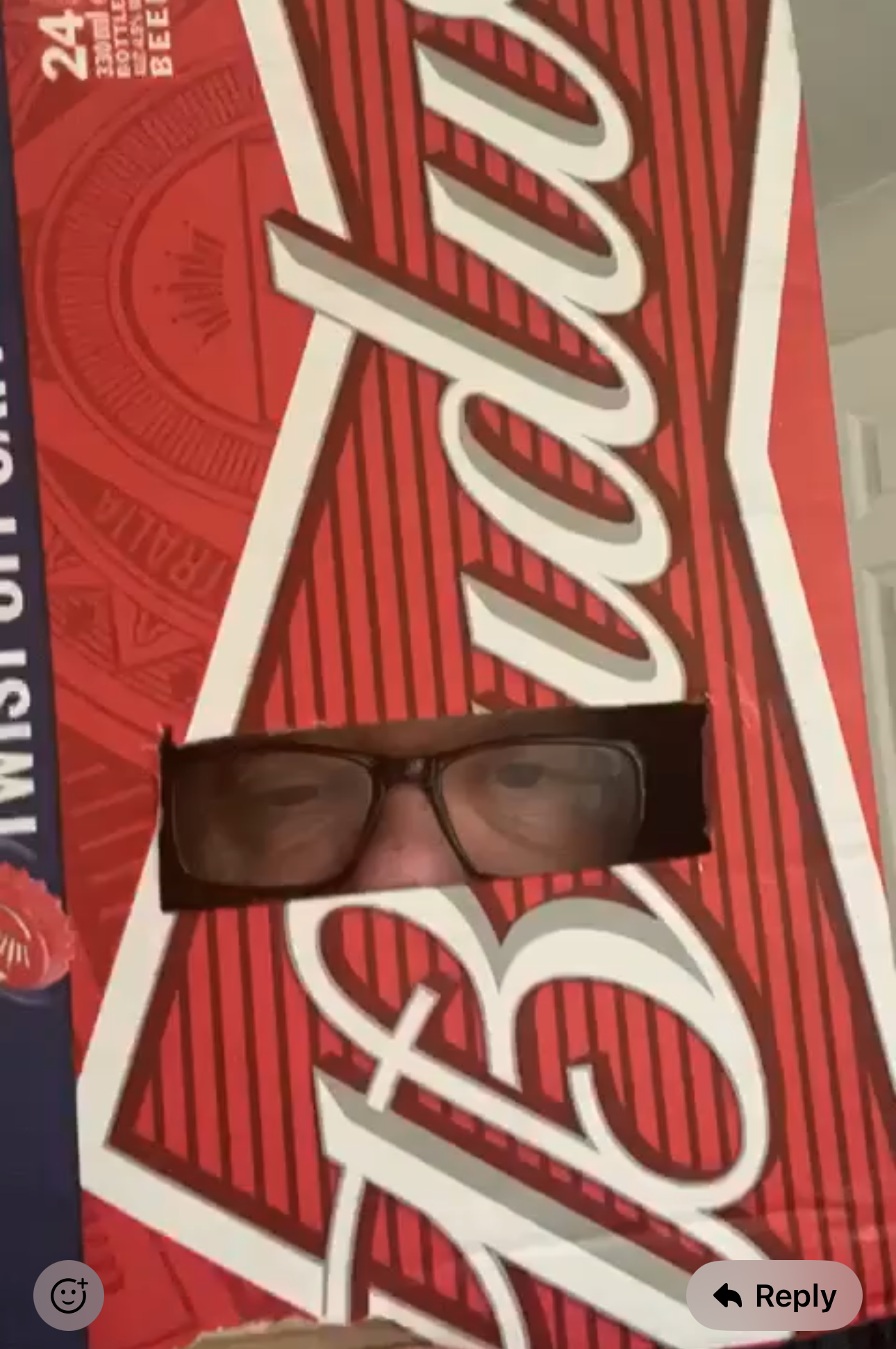
During Covid, he made videos showing people how to protect themselves. One involved a bedsheet with glasses over it; another, a Budweiser box with holes cut out for his eyes. When things were shit, he could usually find a way to make people laugh.
He also branched into yoga, posting a video of himself in long johns pulled up almost to his chest, no top on, tilting his glasses backwards and forwards on his head. That was the entire lesson.
The long johns appeared in his ice bucket challenge too. He didn’t have any ice, so he used one-penny coins.
They also accompanied him on his only trip abroad. He was frightened of flying, so when his mates persuaded him to go to the Champions League final in Madrid, he agreed on the condition they drove. Off they went in a minibus, and every photograph seemed to feature him in the same long johns and a T-shirt. By day four, they’d lost their Daz white.
He had a ticket for the final, but he was enjoying himself so much in the pub that he gave it away. I got a photograph of him being carried around on a wooden chair instead.
“A day without laughter is a day wasted” was something he always said. It’s on his bench at Walton Gardens now. Anyone who knew him would recognise him in that.
He could find the funny side of most things, including his rather unusual living arrangements after my parents divorced. They separated when I was twenty-six, but they never made it vicious, and I loved that he was still so fond of my mum.
When she moved to Middlesbrough with her new boyfriend, she let Dad move into the house she was leaving because he needed somewhere to stay. About twelve months later, she decided she wanted to be closer to her kids and came back, so Dad had to move out again.
He’d managed to get kicked out twice, the second time when they weren’t even together. That sounds harsher written down than it was. He took it in his stride and moved into some bloke’s attic.
By the time James arrived, I’d wanted to be a dad for so long that having my own dad there mattered enormously. He became a big part of James’s first five years, staying at ours every Christmas Eve to watch him open his presents in the morning before immediately going to the Bear’s Paw.
He told everyone he’d taught James to swim. He absolutely hadn’t. That was me. But he came swimming with us every Saturday, and I’ll give him that: he never missed.
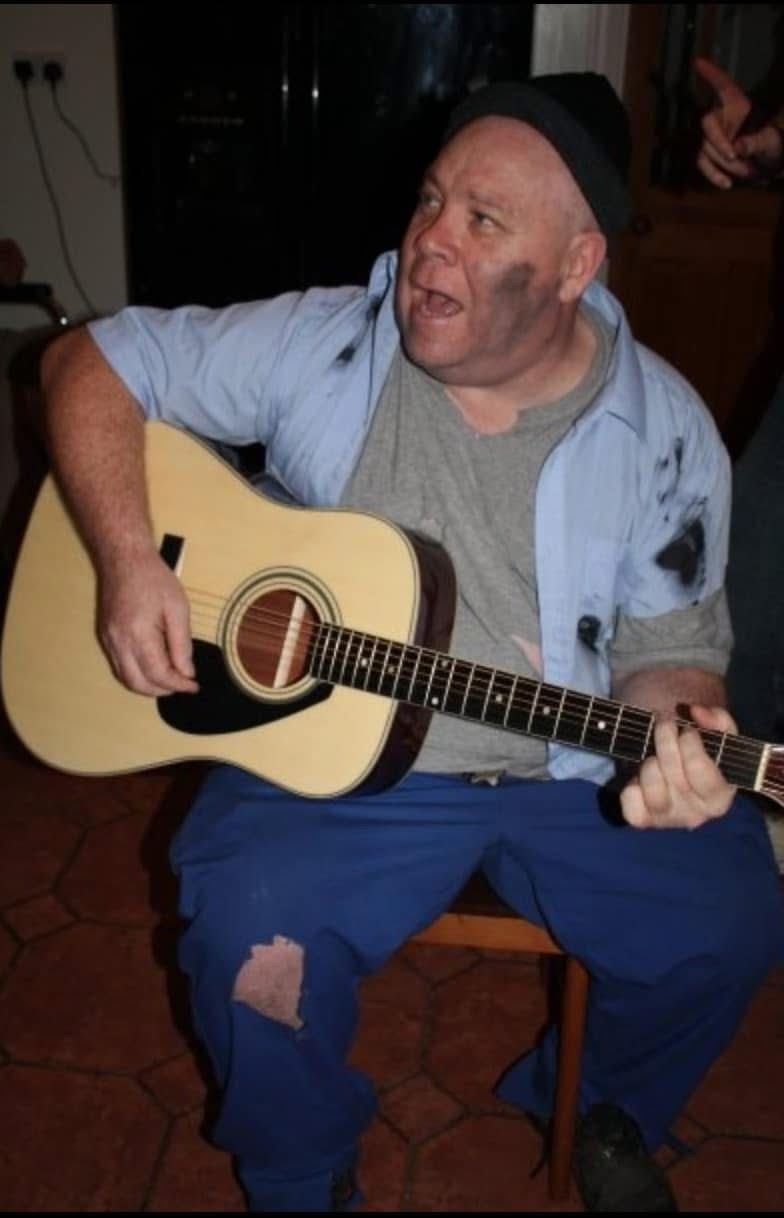
I was told later that he’d sometimes turn up at our house while I was at work, sit for an hour cuddling James, then disappear again. I love knowing he did that, having those little visits with my son that I knew nothing about.
Five years after losing him, James still sleeps with a pillow that has a photograph of the two of them on it. There’s also a rocking horse and a go-kart, both wrecked from being in the garden, which I am banned from binning.
I wish Dad could see the footballer he’s becoming. I wish he could watch him swim now, although we’d never hear the end of who’d taught him. Whenever I take James to the match, I wish my dad was coming with us.
There is so much he’s fucking missed.
I was angry about that for a long time. Sometimes I still am. There should have been more Christmas mornings and more Saturdays in the pool. More time for James to know the person I’d had all those years to get to know.
I think I’ve processed losing my dad. I can talk about him, laugh about him and get on with a life I enjoy. What I understand more clearly now is how much of that life he occupied.
He was involved in so many things that felt ordinary. A conversation about work, a football match, a swim with James. I didn’t spend those days thinking about how important they were. Why would I? He was my dad, and I’d speak to him tomorrow.
The phone calls, especially. I didn’t have to explain my whole history before getting to whatever I wanted to talk about. He knew the teenager who’d brought the police to the door, the lad carrying fence posts and the young keeper desperate for a decent line in his match report. When I told him something about my life, he knew what had gone into getting there.
I still have things I’d like his opinion on. Sometimes something happens with James and I think how proud Dad would be. Sometimes I’d just like to tell him something daft because I know he’d laugh.
If you’ve got someone you speak to like that, you’ll probably know the sort of conversation I mean. You put the phone down and, if someone asked what you’d talked about, you’d say, “Nothing much.”
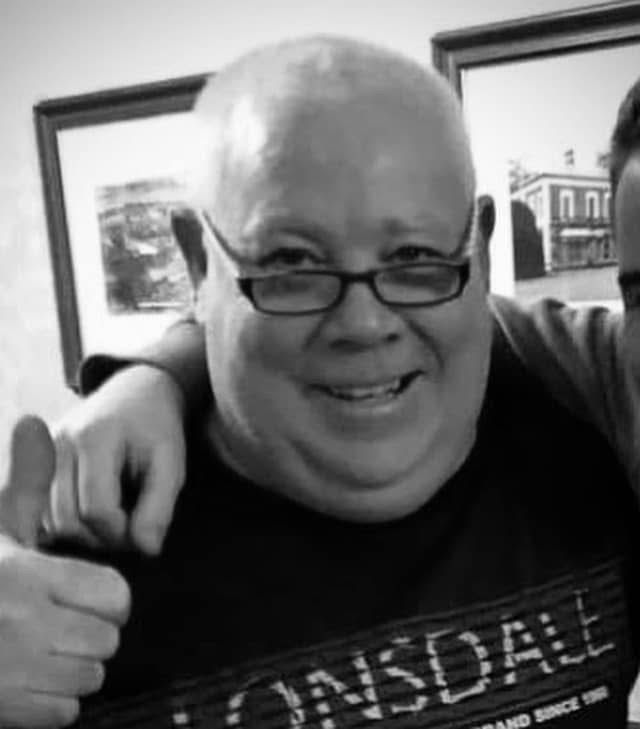
I’d love another call about nothing much.
I’m glad we had so many of them. I’m glad I got past being the embarrassed teenager and had years of enjoying his company. We worked together, played football, argued and took the piss out of each other. He got to know me as a dad, and I got to watch him become a grandad.
Those are the things I keep coming back to. At the time, they were just what we did.
He was easy enough to find when he was alive. The Bear’s Paw or William Hill. One of two places.
I can picture him surrounded by little bits of paper, racing on the telly, a pint of Peroni beside him. He’d usually have a sweat on, which meant he was waiting on one horse for his placepot to come in. I’d have something to tell him, and he’d be caught up in what was happening on the screen.
Nothing special. Just my dad, on a normal day.
Today, I’d happily wait for the horse to come in.
Before you disappear...
If you enjoyed this, there’s plenty more where it came from. You can subscribe at the top of the page and get new stories straight to your inbox. No spam, just a little more Wildly Gentle.


Comments